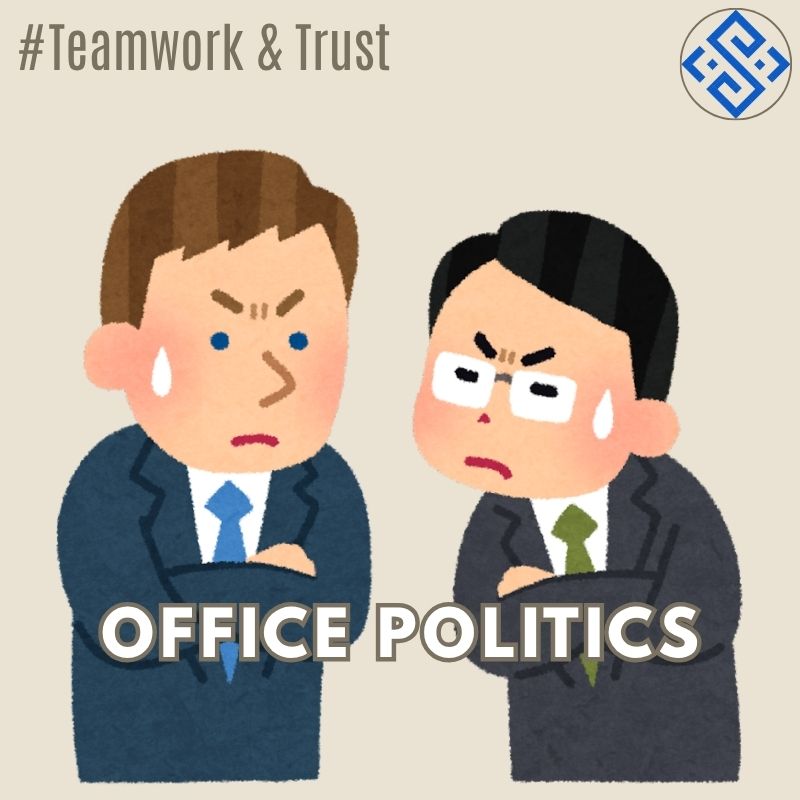
“What is Office Politics? Is it healthy and productive?”
Office politics is an unavoidable reality in almost every workplace. Whenever people work together, differences in opinions, ambitions, and personalities naturally create informal power dynamics. The key to long-term success is not learning how to play politics, but learning how to navigate it with professionalism, integrity, and emotional intelligence.
Many people associate office politics with gossip, favoritism, hidden agendas, or unhealthy competition. While these behaviors do exist, they rarely produce lasting success. They may offer temporary advantages, but they eventually damage trust, teamwork, and personal credibility. Ethical leadership, on the other hand, builds influence through honesty, respect, and consistent performance. Experts increasingly distinguish healthy influence and relationship-building from manipulative workplace politics.
A successful professional focuses on delivering quality work, building genuine relationships, communicating openly, and supporting colleagues rather than competing against them. Understanding workplace dynamics is important, but compromising your values to gain recognition is never worth the cost. Strong reputations are built over time through reliability, fairness, and accountability.
When faced with political situations, remain calm and objective. Avoid participating in rumors or taking sides without facts. Instead, seek solutions, maintain transparency, and treat everyone with respect regardless of their position. Your professionalism will speak louder than office gossip.
Great leaders create environments where merit is valued over favoritism and collaboration replaces unhealthy competition. They encourage open communication, recognize contributions fairly, and resolve conflicts before they become divisions.
Remember, your character is your greatest professional asset. Office politics may influence short-term decisions, but integrity, competence, and positive relationships determine long-term career success. Build trust, add value, and let your work become your strongest voice.
In a nutshellf, the office politics refers to the informal power struggles and alliances within a workplace. There are two aspects to it. Positive & Negative.
Negative / Cons:
It involves individuals using tactics to gain advantage, manipulate others, or advance their own agendas. While some level of politicking is inevitable in any organization, excessive office politics can create a toxic work environment, leading to decreased morale and productivity.
Positive / Pros:
Professionalism and integrity within the organization can be maintained while navigating office politics, which involves emotional intelligence, diplomatic skills, and a thorough knowledge of the workplace culture. This is what some of the leaders practice as a strategy.
My personal opinion:
A fair, free, and transparent work environment, which fosters trust and teamwork, and the involvement of concerned employees in the decision-making process is the best practice and I personally recommend it.